
Warmer floors in winter
Insulation between the joists reduces heat loss through the floor, keeping indoor temperatures more consistent and eliminating the chill that rises from uninsulated subfloors.
Frankston
Underfloor insulation fitted under suspended timber floors in Frankston stops cold air rising through gaps in the floorboards. We install bulk batts between joists in the subfloor to improve thermal resistance and reduce heating costs.
Share your details and Expert Insulation Melbourne will contact you about Underfloor Insulation in Frankston.
Frankston’s cool winters and exposed position near the bay make underfloor insulation a smart upgrade for older timber-framed homes. Cold air enters through gaps in the floorboards and between bearers and stumps, creating draughts and forcing heaters to work harder. Installing bulk insulation batts between the floor joists in the subfloor blocks this airflow and lifts the R-value of the floor to around R1. 5 to R2.
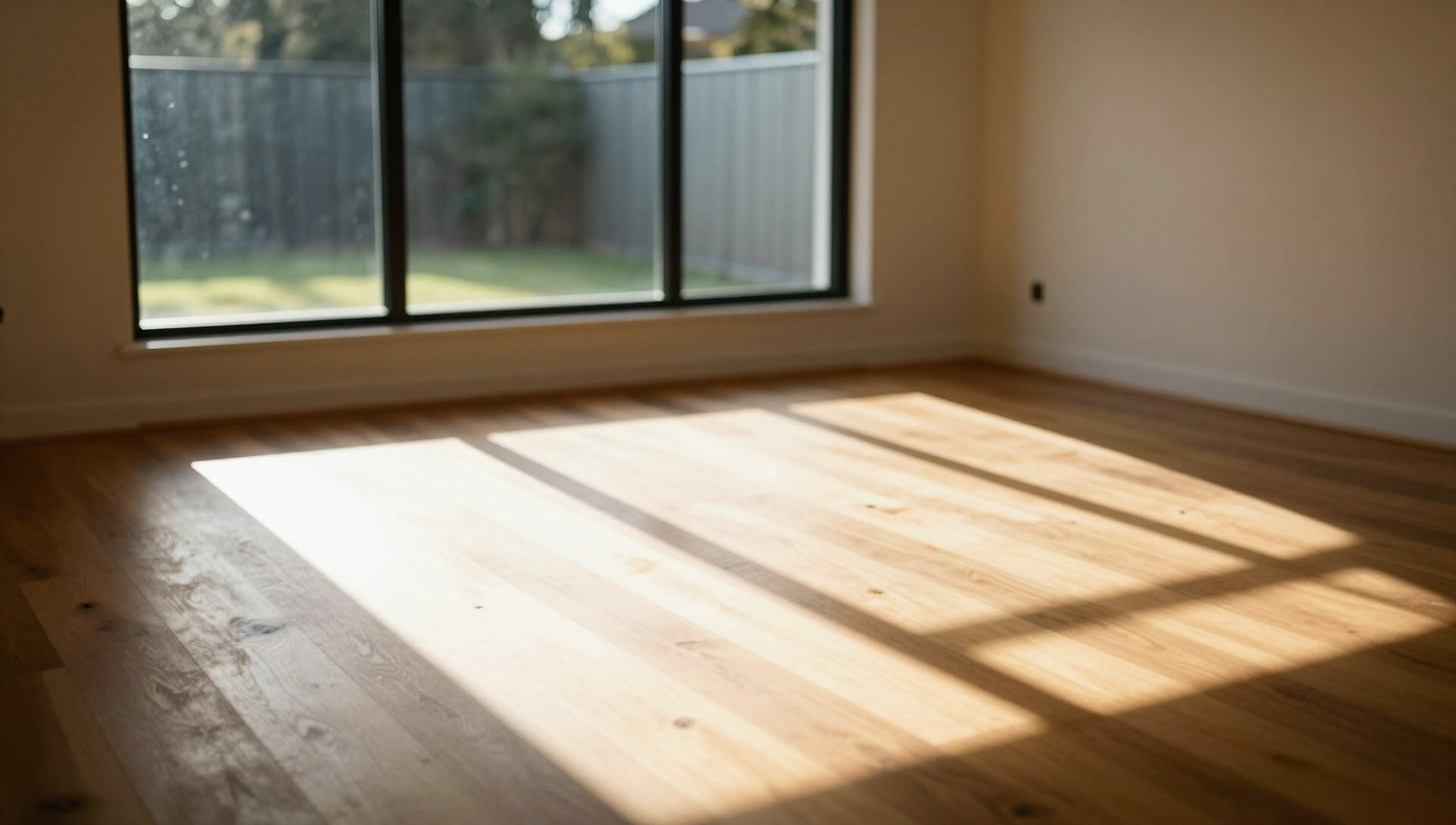
Frankston’s older weatherboard and brick veneer homes on stumps often have uninsulated subfloors, leading to cold floors and higher energy bills. Underfloor insulation addresses these issues directly by improving thermal performance where it matters most.
Insulation between the joists reduces heat loss through the floor, keeping indoor temperatures more consistent and eliminating the chill that rises from uninsulated subfloors.
By stopping cold air from entering and warm air from escaping, your heater runs less often, cutting energy use and power bills during Frankston’s coldest months.
Sealing the subfloor with insulation also blocks wind-driven dust and debris from entering through gaps in the floor, improving indoor air quality.
Cold floors are a common complaint in Frankston homes. Insulating under the floorboards makes tiled and timber floors feel warmer underfoot, especially in bedrooms and living rooms.
The installation happens in the subfloor, so there’s no need to remove carpets, tiles or timber flooring. We access the space through existing vents or by lifting a few floorboards if required.
Quality polyester or glasswool batts retain their thickness and R-value over time, provided the subfloor stays dry and free of pests.
Installing underfloor insulation requires access to the subfloor, which is typically gained through existing vents or by temporarily removing a section of flooring. The process is straightforward but must account for clearances around pipes, cables and stumps.
We check the subfloor for adequate crawl space, moisture issues and any existing insulation. If old batts are compressed, wet or damaged, we remove them before proceeding.
Bulk insulation batts are measured to fit snugly between the floor joists without gaps. We use polyester or glasswool batts rated for underfloor use, typically R1.5 to R2.5.
Batts are friction-fitted between the joists, ensuring full coverage from bearer to bearer. We maintain clearances around electrical cables, plumbing and downpipes as required by building codes.
We ensure all gaps between batts and joists are closed to prevent air leakage. Any lifted floorboards are reinstated, and the site is left clean. Access points are secured to keep pests out.
Frankston’s mix of older weatherboard homes and postwar brick veneer houses on stumps often have uninsulated subfloors, leading to cold floors and draughts. Many of these homes sit on sloping blocks near the bay, where wind exposure makes the problem worse. Underfloor insulation is a cost-effective way to improve comfort without major renovations. Nearby suburbs like Langwarrin and Seaford share similar housing stock and climate, making this upgrade just as valuable for homeowners in those areas.
Stop cold floors and draughts in Frankston homes with underfloor insulation installed in the subfloor.
Homeowners in Frankston often ask about the practicalities of underfloor insulation, including access, cost factors and whether it’s worth the investment for older homes.
Frankston’s coastal location and older housing stock create a strong case for underfloor insulation. Many homes built before the 1980s have suspended timber floors with no insulation, allowing cold air to enter through gaps in the floorboards and between bearers and stumps. This leads to cold floors, draughts and higher heating costs, especially during winter when northerly winds bring cold air across the bay.
Underfloor insulation addresses this by installing bulk batts between the floor joists in the subfloor. The batts, typically made from polyester or glasswool, trap still air to improve thermal resistance. R-values for underfloor insulation commonly range from R1.5 to R2.5, depending on the product and the depth of the joists. The installation process requires adequate crawl space, usually at least 600mm, to allow safe access for fitting the batts.
Costs for underfloor insulation in Frankston depend on the floor area, access difficulty, the chosen R-value and whether old insulation needs removal. Homes with limited subfloor access or steeply sloped blocks may require additional work to create entry points. Despite these variables, the long-term savings on heating bills and the immediate improvement in comfort make it a worthwhile upgrade for most Frankston properties.
Improve comfort and reduce heating costs in your Frankston home with professional underfloor insulation. We inspect your subfloor, recommend the right R-value and install batts to stop cold draughts through the floor.